KARIBU KIGORO DAIRY

Dairy Cow Nutrition During the Rainy Season
Keep your dairy herd healthy and productive during Kenya’s rainy season.
3/13/20261 min read
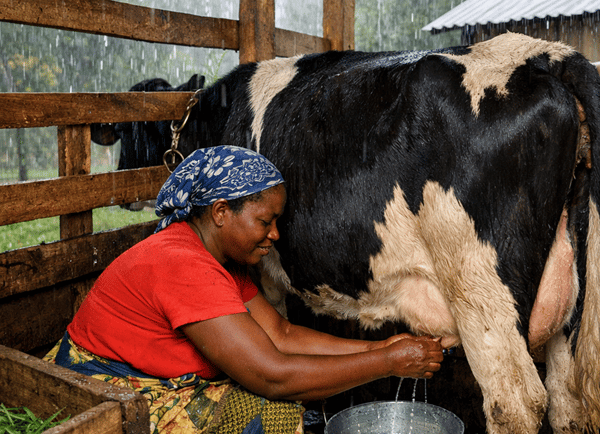
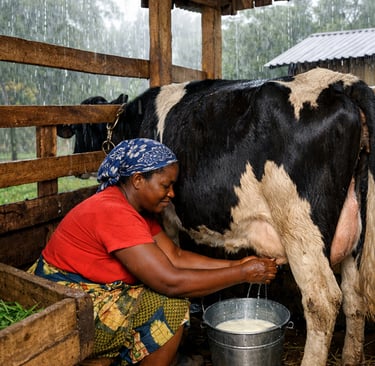
Dairy Cow Nutrition During the Rainy Season: Feed Tips for Healthy Herds
The rainy season in Kenya brings lush pastures, but sudden weather changes can affect your cows’ digestion, immunity, and milk production. Proper feeding and nutrition during cold and wet periods are crucial to keeping your herd healthy and productive.
1. Balance Green Pastures with Dry Fodder
While rain grows abundant grass, wet forage is high in moisture but low in energy. Feeding cows only wet pasture can cause bloating and reduce milk yield. Supplement with dry fodder like hay, silage, or maize stover to maintain a balanced diet.
2. Include Energy-Rich Feed
Cold weather increases cows’ energy requirements to maintain body heat. Incorporate energy-dense feeds such as maize germ, molasses, or dairy concentrates. This helps sustain milk production and keeps cows from losing weight during wet months.
3. Provide Adequate Minerals and Vitamins
Rainy and cold conditions can stress cows and weaken immunity. Adding mineral blocks or premixed supplements ensures they receive enough calcium, phosphorus, and trace minerals. Vitamins A, D, and E support strong immune systems and overall health.
4. Ensure Clean Water Access
Even with plenty of rain, water quality is critical. Muddy or contaminated water can lead to digestive problems. Provide clean, fresh water to improve feed digestion and milk yield.
5. Feed Management Tips
Feed smaller amounts more frequently to prevent spoilage in wet conditions. Avoid feeding on muddy ground to reduce contamination and waste. Rotate feed sources if possible to maintain freshness and nutrition.
By paying attention to feed quality, energy, and supplements, you can help your herd thrive during the rainy season. Healthy cows mean consistent milk production and reduced veterinary costs—essential for every dairy farmer in Kenya.
Contact
Get in touch
Phone
Mob: 0723891105
© 2025. All rights reserved. Kigorodairy
8 AM - 5 PM